Gym relocation checklist: move without the downtime
Moving a fitness facility is not a removalist job. Done wrong it damages equipment and costs member days. Done right, nobody notices but you.
- Treat a relocation as a project with phases, not a single moving day.
- Disassemble heavy and fragile machines rather than moving them whole.
- Recalibration after reassembly is non-negotiable for safety and accuracy.
- Staged, out-of-hours moves can keep member disruption close to zero.
Gym equipment is heavy, awkward, expensive and full of delicate electronics. A relocation that treats a treadmill like a wardrobe ends with bent frames, cracked consoles and miscalibrated machines that are unsafe to use. A relocation run as a proper project ends with a floor that works on day one and members who barely notice the change. The difference is planning and the right hands doing the work.
Phase 1: Plan and inventory
Everything starts on paper. Build a full inventory of every machine, its condition, and any quirks. Measure doorways, lifts, corridors and the new floor plan so you know what fits and what needs disassembly. Coordinate early with building management at both sites for access, lift bookings and parking. Map the new layout before move day so machines land in their final position once and are not dragged around afterwards.
Phase 2: Disassemble the right way
Not everything should move whole. Treadmills are top-heavy and their decks and consoles are vulnerable; partial disassembly protects them and makes them manageable. Cable machines should have weight stacks secured or removed. Photograph and label every connection as you go so reassembly is exact, not guesswork. This is where manufacturer knowledge matters: knowing how a specific machine comes apart prevents the cracked housings and stripped fasteners that plague DIY moves.
The most expensive moment in any gym move is a console dropped because someone tried to carry a treadmill in one piece.
Phase 3: Protect and transport
- Pad and wrap every machine; tape nothing directly to painted or screen surfaces.
- Use proper dollies, straps and ramps rated for the weight.
- Load heavy and stable items first, secure everything against shifting in transit.
- Keep fasteners and small parts bagged and labelled per machine.
Phase 4: Reassemble, level and recalibrate
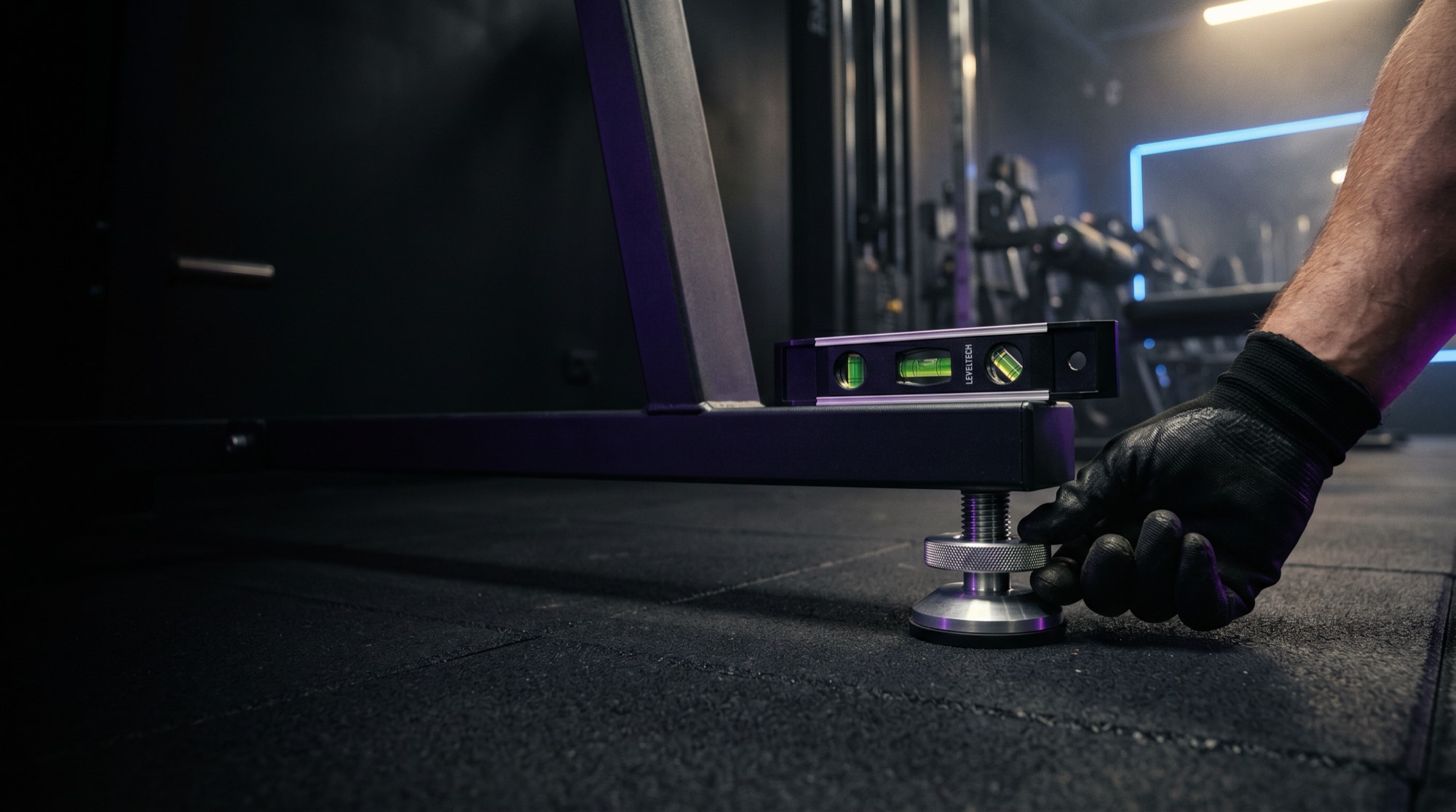
Reassembly is disassembly in reverse, which is exactly why labelling earlier pays off now. Once built, every machine must be levelled on the new floor (uneven footing wears belts and bearings and makes machines unsafe) and recalibrated. Transport shifts alignment, tension and electronic settings, so speed, incline, resistance and safety stops all need checking before a member touches the equipment. Finish with a documented test of each machine.
Stage the move. Relocate in batches outside peak hours so part of your floor stays open, and have technicians reassemble and certify each batch before the next arrives. Members keep training, you keep revenue.
The quick relocation checklist
| Phase | Key actions |
|---|---|
| Plan | Inventory, measure access, layout map, building coordination. |
| Disassemble | Partial disassembly of cardio and cable machines, label every connection. |
| Transport | Pad, strap, correct dollies, secured load. |
| Reassemble | Rebuild, level, recalibrate, document and test. |
Relocating across South East Queensland
Whether you are moving within the Sunshine Coast or relocating to Noosa or Gympie, the principles are the same, and the local knowledge of access, traffic and timing makes the day run smoothly. Trainr Tech handles whole-facility relocations with full disassembly, transport, reassembly and recalibration, so your equipment arrives certified and ready, not just delivered. Tell us about your move and we will scope a staged plan that protects your member days.
Frequently asked questions
Plan and inventory first, disassemble heavy machines to reduce weight and protect components, pad and secure everything for transport, then reassemble and recalibrate at the new site. Treadmills and cable machines especially should be partly disassembled rather than moved whole.
Transport and reassembly can shift alignment, tension and electronic settings. Recalibration ensures speed, incline, resistance and safety systems are accurate before members use the equipment again.
Often yes, with staged planning. Moving in phases, working outside peak hours and having technicians reassemble and certify equipment quickly can keep member disruption close to zero.